How to Choose the Best PVC Floor Tiles in 2026?
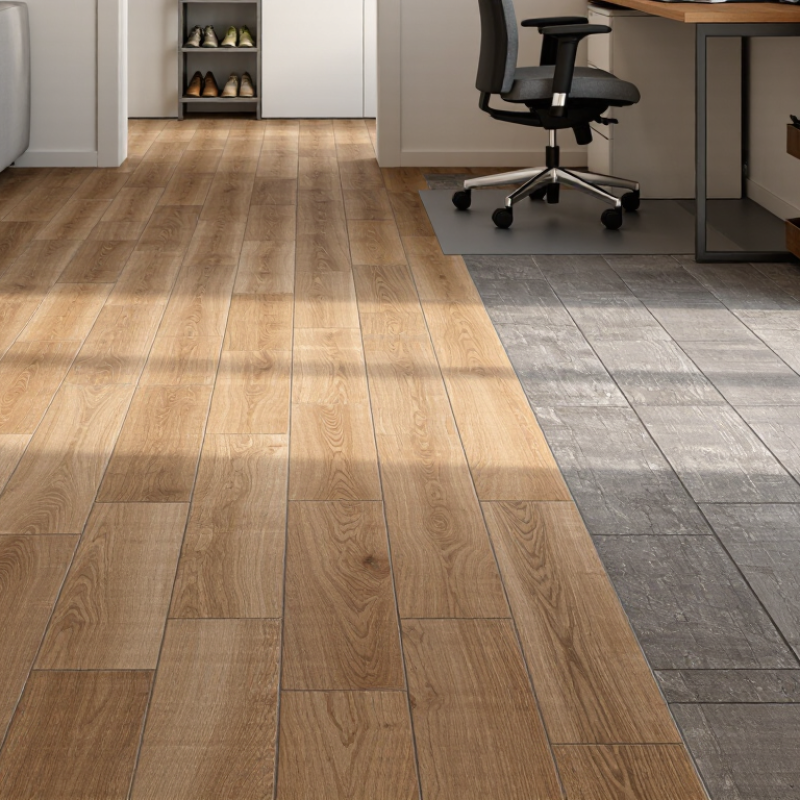
Choosing the best Pvc Floor Tiles in 2026 requires more than comparing colors and prices. Flooring affects comfort, safety, maintenance, and the character of a room. A warm oak pattern may suit a bedroom, while a textured stone design can handle a busy entrance better. Small details matter.
This guide examines wear layers, thickness, slip resistance, dimensional stability, installation methods, and indoor air quality. It also considers real installation conditions, including uneven subfloors, sunlight near windows, rolling office chairs, and frequent cleaning. Manufacturer specifications should be checked carefully, especially for wear ratings, warranty limits, and recommended adhesives. Independent test results can provide stronger evidence than attractive product photos.
No tile is perfect.
The most reliable choice depends on the room, traffic level, moisture exposure, and maintenance habits. A low-cost product may seem practical, but replacement costs can change the calculation. Meanwhile, a premium tile may disappoint if installed over dust, dampness, or an uneven surface. This article offers a practical framework for comparing materials and suppliers in 2026. It will also question common assumptions, because marketing language sometimes sounds more durable than everyday performance. Careful readers should verify technical claims, request samples, and inspect the surface under natural light. The final decision should balance appearance, tested performance, installation quality, and long-term value.
Define Your PVC Flooring Needs and Installation Environment
Before comparing PVC floor tiles, define the room’s actual demands. A quiet bedroom needs comfort and low emissions, while a shop needs stronger wear resistance and easier maintenance. Measure traffic, rolling loads, sunlight, moisture, and cleaning frequency. Do not trust a small sample alone. Tile color can change dramatically under cold LEDs or afternoon sunlight.
The installation environment matters just as much. The U.S. Environmental Protection Agency reports that indoor pollutant levels are often two to five times higher than outdoor levels. Therefore, request verified emissions information and adequate ventilation during installation. Check the subfloor carefully. ASTM F2170 recommends in-situ relative humidity testing for concrete, while ASTM F710 guides concrete floor preparation. A damp slab, weak adhesive bond, or uneven surface can cause open joints and visible telegraphing.
Think about maintenance, too. The 2024 Global Status Report for Buildings and Construction states that buildings consume about 32% of global energy and produce approximately 34% of global carbon dioxide emissions.
Flooring is only one small part of that picture, but durable tiles can reduce replacement frequency. Still, durability claims need evidence. Ask for test methods, wear classifications, installation limits, and cleaning instructions.
I would also allow extra material for future repairs. That choice feels wasteful at first. It can prevent a difficult color mismatch later. Even experienced installers sometimes overlook door clearances and rolling-chair pressure. Scrutinize those details before ordering.
Compare PVC Tile Types, Layers, Patterns, and Surface Finishes
Choosing the Best PVC Floor Tiles in 2026
When comparing PVC floor tiles, identify the tile structure before judging its appearance. Homogeneous tiles use one consistent PVC layer, so minor scratches are less noticeable. Heterogeneous tiles combine backing, printed design, and a transparent wear layer. They usually offer more realistic wood, stone, or terrazzo patterns. Rigid-core PVC tiles can feel firmer underfoot, but they may transfer subfloor irregularities more clearly. Check the room first. A bathroom, busy hallway, and bedroom need different performance levels.
Layer thickness matters more than many product photos suggest. Measure the wear layer, not only the total tile thickness. A thicker wear layer generally handles chair movement, grit, and frequent cleaning better. I once focused on a beautiful pattern and ignored the backing. Installation became difficult over a slightly uneven floor. That shortcut was wrong. Look closely. Also inspect dimensional stability, moisture resistance, and the recommended adhesive or locking method.
Patterns should match both lighting and maintenance habits. High-contrast grout lines can emphasize small alignment errors. Large patterns may make a narrow room feel busier. Surface finishes change daily comfort: matte finishes hide smudges, embossed textures improve visual realism, and smooth polyurethane coatings simplify mopping. However, deep embossing can hold dust near kitchen entrances. Ask for a sample and view it beside a window and under warm lighting. Screens often exaggerate color. Manufacturer test data, installation guidance, and realistic wear ratings are more dependable than attractive showroom impressions.
Evaluate Durability, Safety, Maintenance, and Environmental Features
How to Choose the Best PVC Floor Tiles in 2026?
Durability begins with the wear layer, not the printed surface.
For busy hallways, kitchens, and retail spaces, choose tiles with documented abrasion resistance and dimensional stability. Press the sample edges together. Uneven edges may reveal poor manufacturing control. Check how the tile responds to sunlight, moisture, and temperature changes. A beautiful sample can still fail under daily pressure.
Safety deserves practical testing.
Look for slip-resistance data suited to wet areas, not only general marketing claims. Ask for formal reports covering fire performance and indoor air emissions. Low-VOC materials can support better indoor air quality, especially in bedrooms and classrooms. Also examine the backing. A stable backing reduces curling and unexpected movement. Do not assume thicker always means safer.
Maintenance costs often appear after installation.
Smooth, sealed surfaces usually need less water and fewer aggressive cleaners. Confirm that routine products will not damage the finish. Environmental evaluation should include recycled content, product lifespan, packaging, and end-of-life options. Certifications can help, but read their scope carefully. They may cover one feature, not the entire product. I would compare at least three technical sheets before buying. My first choice might still change after checking installation waste and local recycling access.
Balance Product Quality, Total Cost, and Long-Term Value
How to Choose the Best PVC Floor Tiles in 2026?
Balance Product Quality, Total Cost, and Long-Term Value
When I assess PVC floor tiles, I do not judge samples alone. A bright showroom can hide weak wear layers and poor subfloor preparation. Ask for technical data, including thickness, wear-layer depth, slip resistance, and dimensional stability. Request test methods and current certificates, not vague claims. Good evidence matters.
Calculate total cost per square meter. Include adhesive, leveling compound, delivery, installation, waste, and future repairs. A cheaper tile may need extra preparation. That changes the decision. In a busy hallway, inspect edges after several months, especially near doorways and chair legs. Look for curling, scratches, color changes, and open joints. Small details matter.
Check cleaning instructions before buying. Some surfaces tolerate damp mopping, while others show marks from strong chemicals. A practical maintenance schedule protects the floor and reduces labor costs. Ask the installer how long the subfloor must cure. Rushing this stage can cause hollow spots or loose tiles. I once favored a lower quote because the material price looked attractive. The estimate later excluded floor leveling and disposal. My comparison was incomplete. That mistake shows why itemized quotes are essential. Choose tiles that match the room’s traffic, moisture, sunlight, and repair needs. The best value is not always the thickest tile.