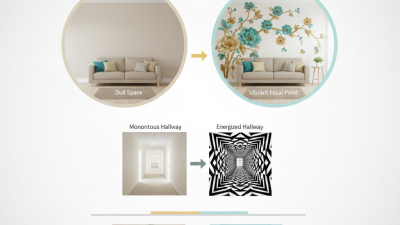
Global buyers are looking for wall finishes that balance appearance, speed, and practical performance. Adhesive Pvc Wallpaper offers a direct answer for homes, retail spaces, offices, and temporary displays. Its pressure-sensitive backing can reduce installation time. There is no wet paste to mix.
It feels simple.
Yet simple does not mean careless. From real project experience, the wall must be clean, dry, smooth, and free from loose paint. Dust under the surface can create visible bumps. Uneven plaster may remain noticeable after application. A small test patch is worth the effort, especially on painted walls, metal panels, or furniture surfaces.
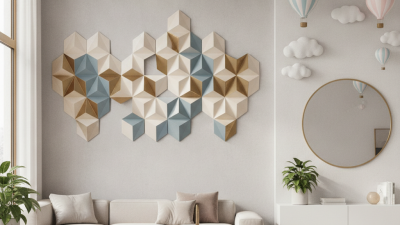
Interior designer Jonathan Adler once said, “Your home should rise up to greet you.” Adhesive Pvc Wallpaper can support that idea through bold texture, soft neutrals, or detailed botanical patterns. A hallway can gain depth. A plain reception desk can look considered. A child’s room can feel more personal without permanent renovation.
Global sourcing still requires careful questions. Buyers should check roll dimensions, surface finish, backing quality, print consistency, and removal instructions. They should also request samples before ordering large quantities. Color may appear different under warehouse lighting and natural daylight. That detail is often underestimated.
Adhesive Pvc Wallpaper is not a perfect solution for every surface. Heat, moisture, and poor preparation can reduce its service life. However, when specifications match the project, it offers flexible design with manageable installation demands. The best choice is not always the cheapest roll. It is the material that performs reliably after the excitement of installation fades.
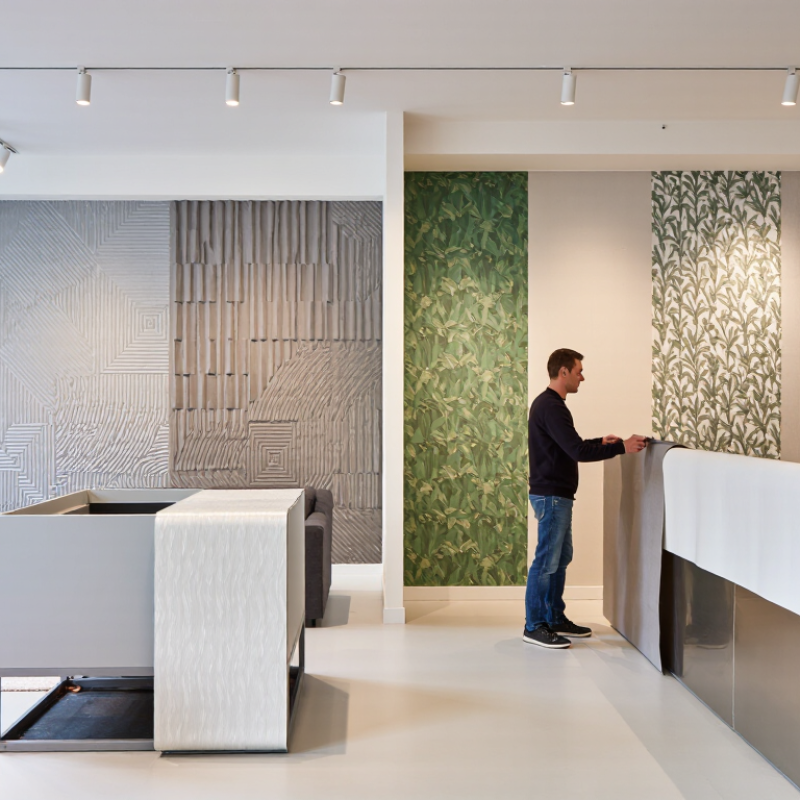
Adhesive PVC wallpaper is a decorative wall covering made from a thin polyvinyl chloride film. Its reverse side carries a pressure-sensitive adhesive layer, protected by a removable release liner. It is not paint. Users peel away the liner and press the sheet onto a prepared wall.
PVC can reproduce wood grain, stone texture, fabric patterns, or plain colors. The surface usually resists light splashes and can be wiped with a soft, damp cloth. However, it is not fully waterproof, especially around seams and edges. That distinction matters.
In practical installation, the wall should be smooth, dry, clean, and free from loose dust. Small particles may create visible bubbles beneath the film. The adhesive also performs differently in cold or humid conditions. I would not call it foolproof.
Buyers should check film thickness, peel strength, dimensional stability, and surface texture before placing large orders. A sample test is useful because painted walls, plaster, glass, and furniture panels may react differently.
For international purchasing, request material data and applicable safety or fire-performance test reports. Requirements vary by market, so one document may not satisfy every destination.
Strong adhesive can improve durability, but removal may damage weak paint or old plaster. Measure twice. Install once.
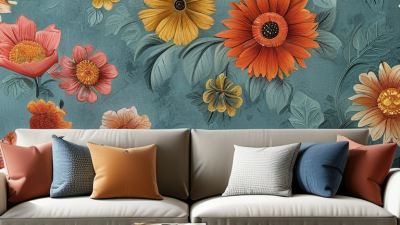
How Does Adhesive PVC Wallpaper Work?
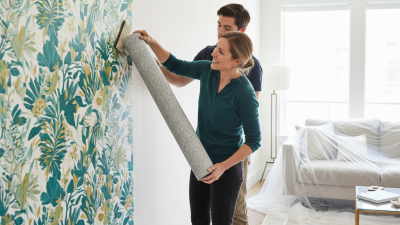
Adhesive PVC wallpaper combines a flexible PVC surface, printed design, and pressure-sensitive adhesive layer. A release liner protects the adhesive before installation. When the liner is peeled away, the exposed adhesive grips a clean, smooth wall. Firm pressure improves contact between both surfaces.
The process is simple, but not careless. An installer usually removes dust, grease, loose paint, and moisture first. Small particles can create visible bumps beneath the sheet. The wallpaper is then positioned gradually, often from the top downward. A soft squeegee pushes out trapped air while the backing is slowly removed.
Temperature matters. In a cold room, the adhesive may feel stiff and bond slowly. Excessive heat can make the material stretch or form wrinkles. PVC also handles everyday splashes better than many paper coverings, but it is not automatically waterproof at every seam. That detail is easy to overlook.
Wall condition decides much of the result. Glossy paint, rough plaster, and freshly painted surfaces may need testing before full application. A small sample can reveal poor adhesion, color variation, or difficult removal. Repositioning is sometimes possible, though repeated lifting can weaken the adhesive. It is not magic. Careful preparation still does most of the work.
| Data Dimension | How the Product Works | Typical Material or Performance Information | Relevance for Global Buyers |
|---|---|---|---|
| Product Structure | Adhesive PVC wallpaper generally combines a decorative PVC surface with a printed design, a backing layer, and a pressure-sensitive adhesive covered by a removable release liner. | PVC surfacePrinted designAdhesive backingRelease liner | The layered structure supports visual customization while allowing installation without separately mixing wallpaper paste. |
| Adhesive Mechanism | The adhesive is exposed after the release liner is removed. Pressure from a squeegee, cloth, or hand helps the adhesive contact the wall surface and reduces trapped air. | Most peel-and-stick wall coverings use pressure-sensitive adhesive technology, which bonds through surface contact and applied pressure. | Installation can be faster and cleaner than traditional paste-applied wallpaper when the wall is properly prepared. |
| Wall Compatibility | Best results are normally achieved on clean, dry, smooth, sound, and adequately primed interior walls. Dust, grease, moisture, heavy texture, and loose paint can reduce adhesion. | Smooth wallDry surfaceLow dustSound coating | Buyers should specify surface-preparation requirements in project instructions to reduce installation failure and product waste. |
| Water Resistance | PVC is inherently resistant to water compared with many paper-based wallcovering surfaces. However, moisture can still enter through seams, edges, cuts, or an unsuitable wall substrate. | The PVC face can be wiped for routine cleaning, but product-specific instructions determine whether it is suitable for humid areas. | Useful for kitchens, corridors, and other areas requiring wipe-clean surfaces, subject to the product’s stated installation environment. |
| Cleaning Performance | A smooth PVC face can generally be cleaned with a soft cloth and mild detergent solution. Abrasive pads, harsh solvents, and excessive water may damage the print or adhesive edge. | Wipe-clean surfaceMild detergentNon-abrasive care | Lower routine-maintenance effort can be valuable in residential, hospitality, retail, and office interiors. |
| Installation Process | Measure and align the panel, peel back part of the liner, position the exposed section, then gradually remove the remaining liner while smoothing from the center toward the edges. | Gradual liner removal and smoothing help prevent wrinkles, bubbles, and misalignment. | The process is suitable for professional installers and carefully prepared do-it-yourself applications. |
| Repositioning | Some products can be lifted and repositioned during the early installation stage. Repeated removal may reduce adhesive performance and can affect painted or weak surfaces. | Repositionability depends on adhesive formulation, wall condition, installation time, temperature, and applied pressure. | Buyers should request a sample test before large-volume installation, especially on painted, newly plastered, or delicate walls. |
| Dimensional Stability | Unlike many paste-applied paper wallpapers, self-adhesive PVC wallpaper does not require wet paste expansion and subsequent drying during installation. | The absence of wet paste reduces one common source of installation shrinkage, although temperature and substrate movement can still affect seams. | This can simplify pattern alignment and reduce waiting time between installation and room use. |
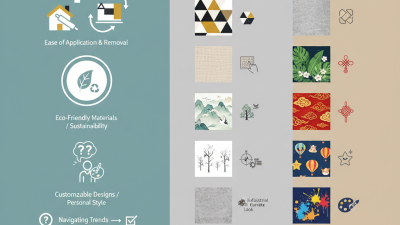
| Design Flexibility | PVC film can carry printed colors, textures, stone effects, wood effects, geometric patterns, and other decorative finishes. | Printed graphicsTextured effectsCustom patterns | Global buyers can select designs for different residential, commercial, and hospitality markets without changing the basic installation method. |
| Temperature Considerations | Adhesive bonding is affected by temperature. Extremely cold conditions can reduce tack, while excessive heat can soften the adhesive or increase movement during installation. | Storage, acclimatization, and installation temperatures should follow the product technical data sheet. | International shipments should include climate-appropriate packaging, storage guidance, and installation instructions. |
| Seam and Edge Control | Panels should be aligned according to the pattern and pressed firmly at seams and edges. Poorly prepared walls or insufficient pressure may cause lifting. | Edges and seams are the areas most exposed to dust, moisture, wall movement, and installation errors. | Clear seam tolerances and sample approval help buyers manage appearance requirements across different installation teams. |
| Removal and End of Use | Removal normally involves lifting an edge and pulling the material back slowly. The result depends on adhesive strength, wall paint, primer, installation age, and surface condition. | Removal may leave adhesive residue or pull weak paint; a small concealed-area test is recommended. | This is relevant for rental properties, temporary displays, seasonal decoration, and renovation planning. |
| Quality-Control Checks | Before installation, inspect color consistency, print registration, surface defects, roll or panel dimensions, adhesive coverage, and batch information. | Color checkDimension checkSurface inspectionSample test | Pre-installation inspection helps prevent costly rework and supports consistent quality across international projects. |
| Sustainability Considerations | PVC wallpaper is a plastic-based wallcovering. Environmental performance depends on material formulation, service life, packaging, waste management, and local recycling infrastructure. | Recycling options for PVC wallcovering vary by region and should be confirmed with local waste-management providers. | Buyers should request material declarations, compliance documents, packaging details, and disposal guidance where sustainability reporting is required. |
For global buyers, adhesive PVC wallpaper offers a practical balance of appearance, speed, and manageable logistics. Its peel-and-stick backing can reduce installation time in apartments, retail spaces, and temporary displays. PVC also resists everyday splashes and light surface friction better than many paper-based coverings. From installation experience, smooth walls produce the cleanest finish. Rough plaster can show through.
It is easy to store and ship in rolls, which may help control handling costs. Buyers can also select wood, stone, textile, or geometric textures without ordering heavy panels. However, it is not a magic fix. High humidity, dusty surfaces, and extreme temperatures can weaken adhesion. Some projects need a primer or professional preparation. That extra step is easy to overlook.
Tips: Request a physical sample before placing a large order. Check roll width, adhesive strength, color consistency, and installation instructions. Ask for a technical data sheet and recent production details. Leave the material indoors before installation so it can adjust to room temperature. A small test area may reveal problems early. Global buyers should also confirm packaging quality and replacement procedures. These checks take time, but they can prevent uneven seams, wasted rolls, and costly rework.
Adhesive PVC wallpaper offers fast installation, consistent patterns, and easy maintenance.
Buyers can refresh offices, shops, and rental rooms without wet glue. However, a clean sample does not guarantee stable production. I have seen attractive samples fail during wider inspections.
Quality Evaluation
Quality evaluation should begin with the material structure. Check PVC thickness, backing strength, surface coating, and adhesive coverage. Rub the printed surface with a damp cloth. Then test peeling on painted drywall, metal, and slightly uneven panels. The adhesive should hold firmly but remove without tearing the wall. Test again after heat, humidity, and several days of storage. Short tests can hide longer problems.
Supplier Assessment
Supplier assessment needs more than a low quotation. Request recent test reports, batch records, installation guidance, and clear product specifications. Confirm whether production matches the approved sample. A reliable supplier should explain tolerance levels, carton protection, roll dimensions, and replacement procedures. Ask for pre-shipment inspection photos and random roll checks. Communication matters too. Slow or vague replies may become costly after delivery. Compliance documents should fit the destination market, including relevant fire, chemical, and indoor-air requirements. I would also order a small trial shipment before committing to a container. It adds time, but prevents expensive surprises. Some buyers overlook packaging; crushed edges can ruin otherwise good wallpaper. Be careful.
Adhesive PVC wallpaper suits more than living-room feature walls. It works in rental apartments, hotel corridors, cafés, retail displays, offices, and temporary exhibition spaces. A pressure-sensitive backing can reduce installation time, especially on smooth, dry, fully cured surfaces. It fits.
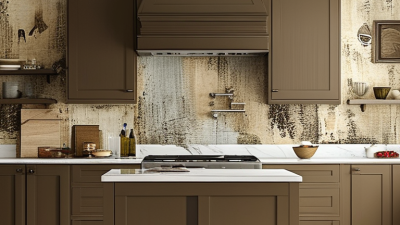
In kitchens, it can refresh cabinet panels, splashback zones, and breakfast counters away from direct heat and standing water. In bathrooms, use it only in well-ventilated areas, not inside showers. Commercial interiors benefit from repeatable patterns and easy panel replacement. The 2024 Global Wallpaper Market report by Fortune Business Insights estimates the market at about USD 1.9 billion in 2023, reflecting continuing demand for decorative wall finishes. However, market growth does not make every surface suitable.
PVC wallpaper is also practical for classrooms, clinics, rental properties, and mobile retail units where visual updates happen frequently. The U.S. Environmental Protection Agency advises controlling indoor pollutants through ventilation and low-emission material choices. Buyers should request technical data, adhesive performance details, and cleaning guidance before specifying large projects. Strong sunlight may fade darker prints. Uneven plaster can show through. Humidity can weaken poorly prepared walls.
The building sector remains environmentally significant. The 2023 Global Status Report for Buildings and Construction from UNEP states that buildings contribute roughly 37% of global energy- and process-related carbon emissions. That makes durability and replacement planning important. I would not call adhesive PVC wallpaper a universal solution. Measure twice. A clean substrate, correct temperature, and skilled installation often matter more than the pattern itself.
Adhesive PVC wallpaper is commonly selected for interior surfaces because PVC is wipe-clean, moisture-resistant, and available in decorative patterns. The suitability index reflects practical material fit for each application: kitchens and bathrooms benefit from easy cleaning and moisture resistance, while living rooms, bedrooms, offices, and retail displays benefit mainly from fast decorative installation. It is not intended for continuously wet areas or direct shower exposure.