2026 How to Use Adhesive Wallpaper for Home Decoration?
Adhesive Wallpaper is revolutionizing home decoration. This versatile option allows for quick and easy transformations in any space. With various designs, it can fit any style, from modern to vintage.
Using adhesive wallpaper can be both fun and challenging. You may face issues like air bubbles or misalignment. Patience is key. Start with a small section to practice your technique. If mistakes happen, you can always peel and reapply.
The beauty of adhesive wallpaper lies in its adaptability. It can brighten a dull room or add texture to walls. Explore different patterns and colors to personalize your environment. Home decoration with adhesive wallpaper encourages creativity. Embrace the imperfections along the way and enjoy the process.
What is Adhesive Wallpaper and Its Benefits for Home Decoration?
Adhesive wallpaper is a popular choice for home decoration. It offers a range of benefits, making it suitable for any room. According to a recent industry report, the global wallpaper market is projected to grow by over 5% annually through 2026. This reflects the increasing interest in easy-to-use home decor solutions.
One of the primary advantages of adhesive wallpaper is its ease of installation. No paste or special tools are required. Simply peel and stick to the wall. This is ideal for renters or those who frequently change their decor. Additionally, it can be removed without damaging the surface. However, poor application can lead to bubbling or peeling. Precise measurement and careful alignment are crucial.
Tips: For best results, clean the wall surface before application. This ensures better adhesion. Start from a corner to maintain straight lines. If it doesn’t go perfectly, that's okay! It can be a learning experience. Experimenting with different textures might also help you find your style.
Adhesive wallpaper comes in various patterns and colors. This flexibility allows customization to fit any aesthetic. However, not all options are durable. Some may fade or tear more quickly than expected. Researching the material's quality can save disappointment later.
Choosing the Right Type of Adhesive Wallpaper for Your Space
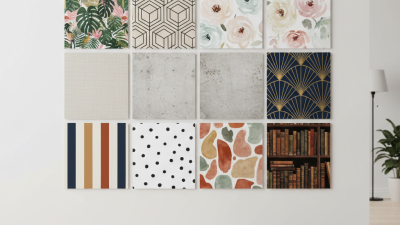
Choosing the right type of adhesive wallpaper for your space can truly elevate your home’s aesthetics. There are various materials available, such as vinyl and paper.
Vinyl wallpaper is durable and moisture-resistant. It’s perfect for kitchens and bathrooms.
Paper wallpaper is softer and more traditional. It works well in living rooms or bedrooms.
Consider the room's lighting and size. Lighter colors can make a small room feel larger. Dark colors can create a cozy atmosphere but may make the space feel cramped.
Textured wallpapers add depth, but they can sometimes clash with furniture.
Test samples on your walls before fully committing. This allows you to see how colors change throughout the day.
Think about the wallpaper's pattern. Bold designs can energize a space. However, they may become overwhelming if not balanced with simpler decor. Sometimes, less is more.
Simplicity can bring a calming vibe. Don't rush the decision; take your time to find what feels right for you.
Preparing Your Walls for Adhesive Wallpaper Installation
When preparing your walls for adhesive wallpaper installation, a few critical steps can make a significant difference. Begin by cleaning the walls thoroughly. Dust and grime can hinder adhesion. According to industry studies, improperly prepared surfaces lead to about 25% of wallpaper failures. Use a mild detergent mixed with water for this task, ensuring the walls are smooth and dry before applying the wallpaper.
Before installation, inspect the walls for imperfections. Fill in any holes and cracks with spackle. A smooth surface is essential for a clean finish. Wallpaper experts suggest sanding down rough spots for better adhesion. It may seem tedious, but it impacts long-term results. The time spent now saves you from future headaches.
Tips: Consider using a primer when working with porous surfaces like drywall. It helps create a stable base for adhesion. Additionally, let your wallpaper acclimate to room temperature for 24 hours. This minimizes expansion and contraction during installation. Remember, not all walls are equally suited for adhesive wallpaper. Uneven surfaces or high moisture areas may require extra caution. Reflect on these factors to avoid costly mistakes.
Step-by-Step Guide to Applying Adhesive Wallpaper
Applying adhesive wallpaper can transform your space effectively. According to a recent report by the Home Decor Industry, the demand for adhesive wallpapers is rising, with a 25% increase in the last year alone. This growth highlights a trend that homeowners embrace for both aesthetics and convenience. Here’s a step-by-step guide to ensure a successful application.
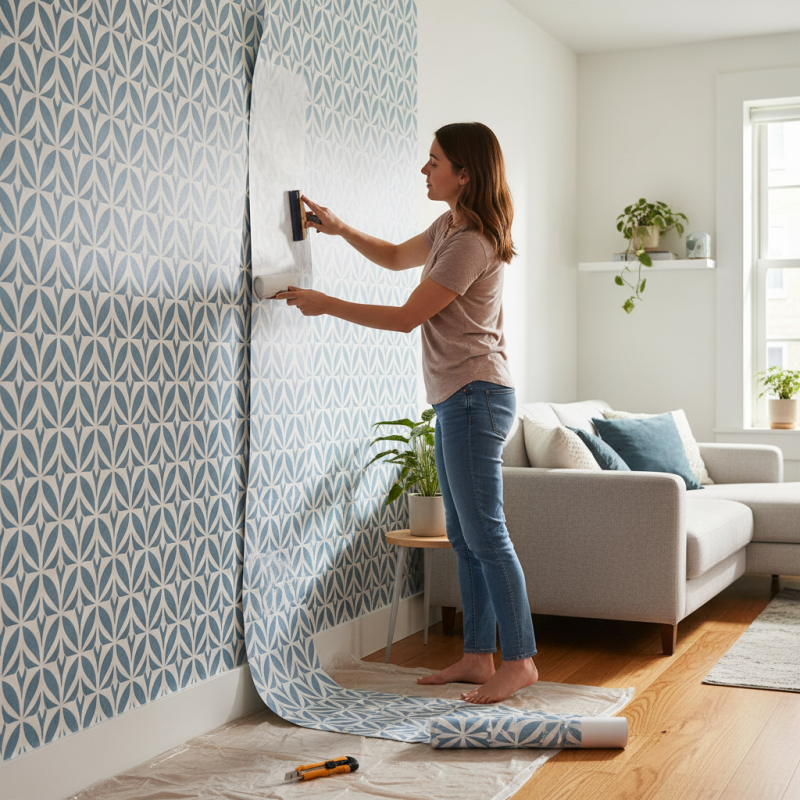
Begin by preparing your wall. Clean the surface thoroughly and remove any old wallpaper. This step is crucial. Uneven surfaces may lead to air bubbles, making the finish look unprofessional. Measure your space carefully. Cut wallpaper pieces with a bit of extra length. This small allowance helps to avoid mishaps later.
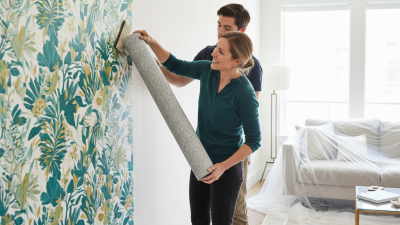
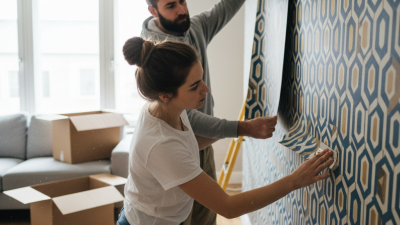
Next, apply the wallpaper. Start from the top and work your way down. Use a smoothing tool to remove air bubbles. This process often takes patience. Some may find it difficult to maintain a straight line. If you find a mistake, don’t panic. Simply peel back and reposition it. The beauty of adhesive wallpaper is its forgiving nature. Lastly, trim any excess material for a neat finish. This method creates an inviting atmosphere that reflects personal style and balances function with design.
Adhesive Wallpaper Application Process
This bar chart illustrates the estimated time spent on each step involved in the adhesive wallpaper application process. From preparation to finishing touches, understanding the time required for each phase can help streamline your home decoration project.