What is Temporary Wallpaper and How to Use It Effectively?
Temporary wallpaper is a growing trend in home decor. It offers an easy way to refresh your space without a permanent commitment. Renowned interior designer Anna Smith states, "Temporary wallpaper allows creativity to flourish without fear of making a lifelong decision."
This versatile décor option presents countless design possibilities. From vibrant patterns to subtle textures, temporary wallpaper can transform a room in hours. It is especially appealing to renters and those who love change. However, it's essential to consider its application. A poorly applied wallpaper can lead to air bubbles and an unprofessional finish.
Choosing the right adhesive is crucial for effective use. Some temporary wallpapers require special adhesives while others are peel-and-stick. The walls themselves should be clean and smooth for the best results. People often overlook these details, leading to dissatisfaction with the final outcome. Reflecting on these factors can improve the experience of using temporary wallpaper.
What is Temporary Wallpaper and Its Purpose?
Temporary wallpaper offers a versatile solution for home décor. It serves the purpose of enhancing spaces without the permanence of traditional wallpaper. A recent industry report indicates that the temporary wallpaper market is projected to grow by 25% over the next five years. This growth reflects the increasing demand for flexible decorating options.
One of the main advantages is that it caters to renters and those who frequently change their decor. Temporary wallpaper comes in various styles, from bold prints to subtle textures. It can be easily installed and removed, making it ideal for personalizing living spaces. However, it's not without its challenges. Some types may not adhere well to all surfaces. Aesthetic choices can be overwhelming, leading to decision fatigue.
Another interesting aspect is the environmental consideration. Many options are made with eco-friendly materials. However, the quality can vary significantly among products. This inconsistency can lead to less-than-satisfactory results. Users might sometimes find it difficult to achieve a seamless look. Additionally, the adhesive can leave residue, which can be frustrating during removal. These factors warrant careful thought before committing to a design.
Types of Temporary Wallpaper Available in the Market
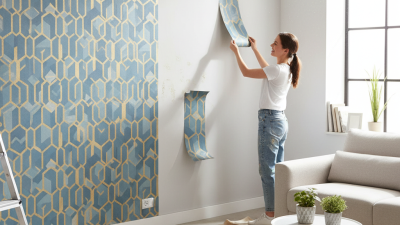
Temporary wallpaper offers a flexible way to refresh your space without long-term commitment. Several types of temporary wallpaper are available in the market, each with unique features. Peel-and-stick wallpaper is one of the most popular options. It’s easy to apply and remove, making it ideal for renters. You can change designs often, creating a new look whenever you please.
Fabric wallpaper is another choice, bringing texture and warmth to a room. This type can be a bit challenging to install due to potential glue residue. If you don’t prepare the surface properly, it might peel off sooner than intended. Vinyl wallpaper, while durable and resistant to moisture, may not feel as soft or inviting as fabric options.
Another fascinating option is removable wall decals. They are fun and playful but require patience during application. Make sure to align them correctly. Misplaced decals can lead to uneven designs. Each type has its pros and cons, so consider your style and the room's function. Experimenting with different styles can reveal unexpected results.
Temporary Wallpaper Types and Their Popularity
Step-by-Step Guide to Applying Temporary Wallpaper
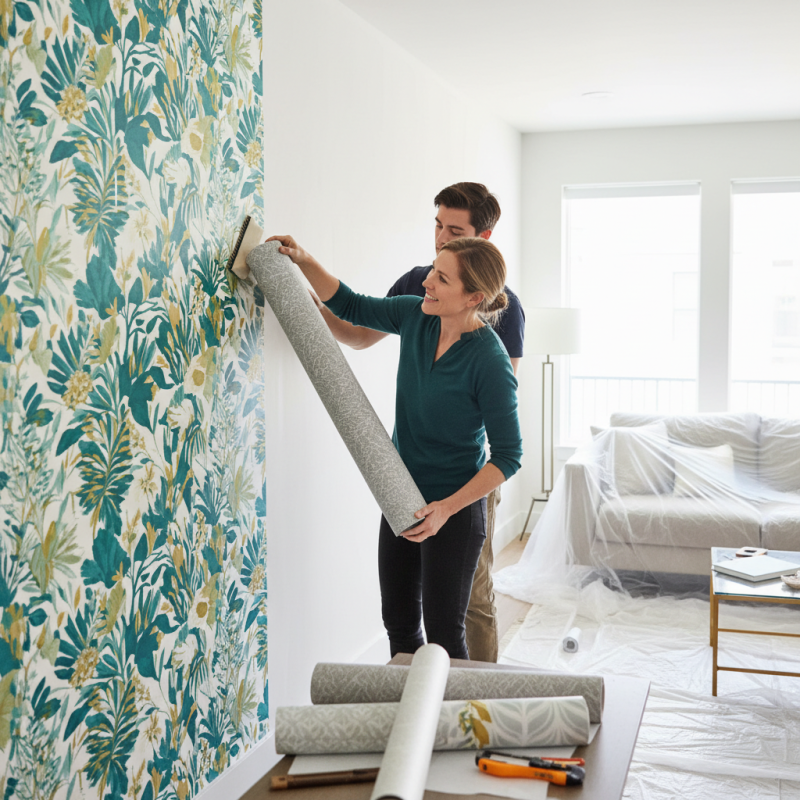
Applying temporary wallpaper can be a fun and rewarding project. Follow these steps to achieve the best results.
Start by measuring your wall. Knowing the dimensions will help you choose the right amount of wallpaper. Clean the wall thoroughly before beginning. Dust and dirt can cause the wallpaper to bubble.
Next, gather your tools. You'll need a level, a utility knife, and a smoothing tool. When applying wallpaper, it is important to work from the top down. This ensures that the paper will hang straight.
After peeling back the backing, align the wallpaper with your mark. Use the smoothing tool to eliminate any air bubbles.
Tips: If the wallpaper is difficult to place, take a moment to rethink your alignment. Sometimes, starting over is better than forcing it.
Working in sections can also help manage bigger walls. By applying one strip at a time, you'll see progress and can make adjustments as needed.
Don't rush the process. Patience is key for a clean finish.
Tips for Maintaining and Removing Temporary Wallpaper
Maintaining temporary wallpaper can be quite a task. Regular cleaning is essential. Use a soft cloth or sponge with mild soap and water. Avoid harsh chemicals that may damage the adhesive. Dust collects easily on wallpaper, so a gentle wipe every few weeks can help keep it looking fresh.
When it's time to remove the wallpaper, be prepared for some challenges. Start at a corner and peel slowly. If you meet resistance, use a hair dryer to warm the adhesive; it often helps loosen the grip. Some residue may remain on the wall. In such cases, a gentle adhesive remover can be effective. Patience is crucial, as ripping it off hastily can damage your wall's surface.
Take a moment to assess your work area before starting. Is your wall truly ready for a new look? Ensure there are no bumps. If you notice imperfections, fix them beforehand. Reflect on your previous experiences with temporary wallpaper. Did you face unexpected difficulties? Such reflections can improve your future wallpaper projects.
What is Temporary Wallpaper and How to Use It Effectively? - Tips for Maintaining and Removing Temporary Wallpaper
| Aspect |
Details |
| Definition |
Temporary wallpaper is a removable wall covering that allows for easy decoration without permanent commitment. |
| Materials |
Typically made from vinyl, fabric, or paper with adhesive backing. |
| Durability |
Can last from several months to a few years depending on usage and environmental factors. |
| Application Process |
Clean wall surface, measure and cut wallpaper, peel off backing, and smoothly apply to the wall. |
| Maintenance Tips |
Avoid moisture and direct sunlight; gently clean with a damp cloth. |
| Removal Process |
Carefully peel off the wallpaper starting from a corner; use a damp sponge for adhesive residue. |
| Safety Considerations |
Ensure proper ventilation when applying; check for allergies to materials used. |