Top Removable Wallpaper Suppliers in China for Global Buyers?
Removable Wallpaper has moved beyond temporary dorm-room décor. Global buyers now expect clean prints, reliable adhesion, and removal that does not leave a wall covered in glue. Grand View Research estimated the global wallpaper market at approximately USD 1.8 billion in 2022 and projected continued growth through 2030. That broader market includes many products, not only peel-and-stick designs. Still, it signals why buyers are paying closer attention to supplier capability.
China offers a wide manufacturing base, but a polished catalog is only a starting point. A sample roll can reveal more: check print sharpness, backing thickness, edge alignment, and whether the adhesive lifts cleanly from a test panel. Ask suppliers how they control color between production batches and protect rolls against moisture during shipment. Request product specifications and test records where relevant, then confirm what each document actually covers. Details matter. Claims can be vague.
This guide examines Chinese removable-wallpaper suppliers through a buyer’s lens: product range, customization, communication, quality controls, and export experience. It does not treat every factory or trading company as interchangeable. Nor does a low quotation prove good value; freight, packaging, and replacement terms can change the real cost. Comparisons are not always tidy. Use the shortlist as a starting point, verify current capabilities directly, and order samples before committing to a large production run.
What Removable Wallpaper Is and How It Is Made
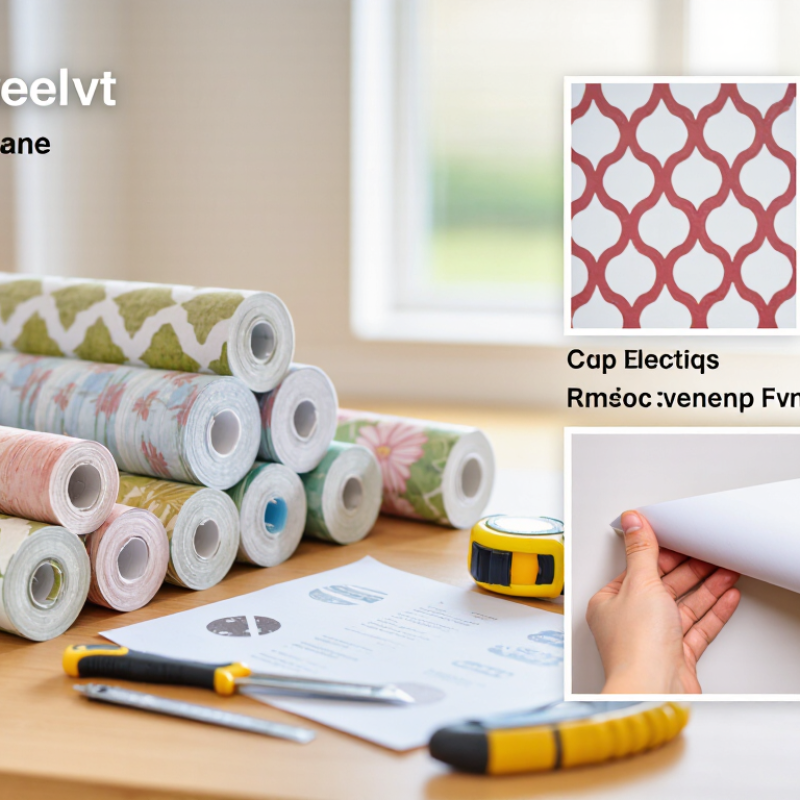
Removable wallpaper is a wallcovering designed to peel away with less residue than many traditional products. It may use paper, vinyl, or nonwoven fabric, paired with a pressure-sensitive adhesive. “Removable” is not a universal performance guarantee. Wall texture, paint condition, humidity, and installation time can all affect removal.
Manufacturing generally begins with a printable face material. Suppliers apply coatings or print patterns, then add an adhesive layer and a release liner. Some products are embossed for a raised texture. The finished rolls are slit, packed, and checked for print consistency, adhesion, and peel behavior. Grand View Research estimated the global wallpaper market at USD 1.8 billion in 2023, with a projected 4.0% compound annual growth rate from 2024 to 2030. This figure covers wallpaper broadly, not removable products alone. It signals market context, not a guarantee of demand for any specific construction.
Tips: Ask suppliers for the face material, adhesive type, and test conditions behind “removable” claims. Request a sample and test it on the intended wall for several days. Check the edges. Real rooms are less predictable than product sheets.
Leading Removable Wallpaper Suppliers in China
China’s removable wallpaper suppliers serve global buyers with printed vinyl, non-woven options, and custom sizing. Many export-oriented factories can adjust patterns, roll widths, backing, and packaging. Ask for material specifications, sample lead times, minimum order quantities, and written quality-control procedures before comparing quotes. Details matter.
Request test documentation for peel strength, residue, and indoor emissions, then test samples on the actual wall surface. Painted drywall, textured plaster, and glass can behave differently. Check color consistency across several rolls, not just one sample. A neat sample proves little.
Grand View Research estimated the global wallpaper market at about US$1.7 billion in 2023, with projected annual growth of 4.3% through 2030. This covers wallpaper broadly, not removable products alone. Buyers should not treat it as a precise measure of peel-and-stick demand. Compare suppliers using repeat-order consistency and documented test results, not market claims. No shortcut. Even a careful sample test cannot fully predict long-term performance in every room.
How to Compare Suppliers by Quality, Price, and Customization
When comparing removable wallpaper suppliers in China, look beyond catalog photos. Request a physical sample and check its color in daylight and warm indoor lighting. Feel the backing, inspect the print for scratches, and apply a small piece to a clean painted wall. Peel it slowly after a day. Adhesion can vary with paint, humidity, and wall texture, so one test cannot predict every room.
Tips: Ask for material thickness, roll width, pattern repeat, and suitable surface conditions. Compare quotes using the same order quantity and specifications. Check whether samples, packaging, custom colors, or setup fees cost extra. A low unit price may come with a high minimum order. Get proof approval and production timelines in writing.
Customization is useful for exact colors, adjusted patterns, or unusual dimensions. Send clear artwork and request a printed proof before bulk production. Confirm acceptable color and cutting tolerances; screen previews rarely match printed rolls perfectly. Ask how defects are recorded and resolved. Supplier answers may sound polished, but details matter. I would not choose on price alone, though even careful checks leave some uncertainty until the wallpaper reaches the wall.
How to Verify Supplier Credentials and Product Compliance
Before comparing removable wallpaper suppliers in China, verify the business behind the catalog. Request the company’s registered name, registration details, factory address, and export contact. Compare these with invoices, contracts, and the production-site address; a trading office and a factory may be different entities. Paper can look convincing. Ask for a recent factory audit or arrange an independent site check, and confirm who actually controls quality.
Product compliance needs equal scrutiny. Ask for current test reports tied to the exact wallpaper construction, including its face material, ink, adhesive, and backing. Check report dates, sample identifiers, test methods, and the laboratory’s accreditation scope. A report for a similar pattern may not cover your chosen product. Confirm applicable destination-market requirements with your importer or a qualified testing professional; rules can vary. Request supporting declarations and batch-level traceability, not just a generic certificate.
Order a pre-production sample and compare its dimensions, color, peel behavior, and removal residue with the approved specification. Keep dated photos and signed records. Small differences matter. Ask how the supplier handles failed tests, material substitutions, and corrective actions, then put approval steps in writing. One uncomfortable question remains: will the shipped roll match the tested sample? For larger orders, verify against a sample from production.
How to Manage Sampling, Orders, Shipping, and After-Sales Support
For global buyers, supplier communication matters as much as the wallpaper pattern. Request physical samples in the intended finish, not just a catalog image. Check color in daylight and under warm indoor lighting. Apply a sample to a clean, painted wall, then remove it slowly after the supplier’s suggested test period. Small details matter. Ask whether the material, adhesive, and backing match the production specification.
Before placing an order, confirm the quantity per roll, dimensions, carton packing, production timeline, and payment milestones in writing. Share a simple order sheet with product codes and approved sample photos. This reduces mix-ups, though it does not prevent every mistake. Ask the supplier to photograph packed cartons and confirm gross weight and shipping marks before dispatch. Compare freight options by total cost, transit time, and tracking—not price alone. Leave room for delays; port schedules can change.
After delivery, inspect several cartons and rolls promptly. Record damaged packaging, batch numbers, and color differences with clear photos. Agree beforehand how claims are submitted, what evidence is needed, and whether replacement material or another remedy may be available. Response times can vary, so name one contact on each side and keep messages in one email thread. A tidy process helps, but it cannot make every shipment flawless.