How to Choose Kitchen Furniture Wallpaper for Your Kitchen?
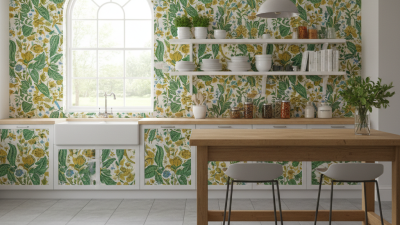
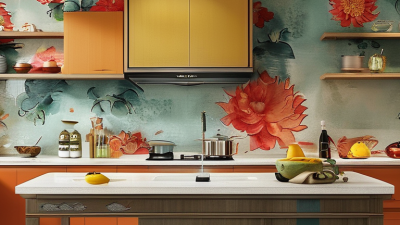
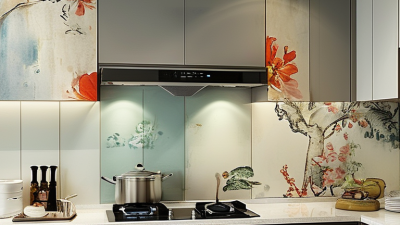
Choosing the right Kitchen Furniture Wallpaper can transform tired cabinets, shelves, and side panels without replacing the entire kitchen. The best choice should balance appearance, durability, cleaning needs, and installation conditions. A soft sage pattern may calm a bright kitchen, while a stone-effect design can add texture beside plain white units. Small details matter.
Before buying, inspect the furniture surface carefully. Smooth, sealed wood usually accepts wallpaper more easily than greasy laminate or uneven painted panels. Clean the surface with a suitable degreaser, remove loose paint, and allow it to dry completely. Moisture is another concern. Areas beside sinks and cookers need washable, heat-resistant materials, although no wallpaper should be treated as fully waterproof without checking the manufacturer’s instructions. Product labels are useful, but practical testing remains important.
Measure each panel twice, including corners, handles, and exposed edges. Order extra material for matching patterns and correcting mistakes. A removable adhesive may suit renters, while stronger adhesive can provide better stability on frequently used doors. Yet stronger does not always mean better. It can damage delicate finishes during removal. I have found that samples reveal problems a screen cannot show, such as awkward shine, thin texture, or poor color under warm lighting. Let the sample remain on the furniture for several days. Observe it at breakfast, evening, and under artificial light. The final decision should reflect real cooking habits, not only a beautiful product photograph.
Identify the Furniture Substrate and Surface Preparation Requirements
How to Choose Kitchen Furniture Wallpaper for Your Kitchen?
Identify the furniture substrate before selecting wallpaper. Solid wood, plywood, MDF, laminate, and metal accept adhesives differently. MDF edges can swell when exposed to water. Wood veneer may release natural oils and move with humidity. The U.S. Forest Products Laboratory’s Wood Handbook reports that interior wood commonly reaches 6–9% moisture content under typical indoor conditions. Check moisture with a meter when the panel feels cool or recently installed.
Surface preparation controls the final appearance. Remove grease with a suitable degreaser, then wipe away residue. Lightly sand glossy laminate until the surface loses its shine. Do not aggressively sand thin veneer. Fill dents, screw holes, and open edges with a compatible filler. Seal porous MDF before applying wallpaper. A smooth hand is not enough; use a bright side light to reveal shallow defects.
Environmental conditions matter. The U.S. Environmental Protection Agency recommends indoor relative humidity between 30% and 50% for moisture control. Allow the furniture to acclimatize in that range before installation. Clean surfaces must also be fully dry. Test a small hidden section for 24 hours. It may reveal weak adhesion, color change, or edge lifting. That small test can feel unnecessary, but skipping it is a common installation mistake. Avoid applying wallpaper over peeling paint, silicone residue, or swollen board. Semigloss paint can still be contaminated.
Check Kitchen Humidity Against EPA’s Recommended 30–50% Indoor Range
How to Choose Kitchen Furniture Wallpaper for Your Kitchen?
Check Kitchen Humidity Against EPA’s Recommended 30–50% Indoor Range
Kitchen furniture wallpaper must handle more than daily cooking. It faces steam, splashes, grease, and frequent cleaning. The U.S. Environmental Protection Agency recommends maintaining indoor relative humidity between 30% and 50%. This range can help reduce condensation, mold growth, and moisture-related damage. Use a small hygrometer near the cabinets, but keep it away from the sink and stove. Otherwise, the reading may be misleading.
Choose wallpaper designed for furniture surfaces, with a washable and moisture-resistant finish. Moisture-resistant does not mean waterproof. Seams still need careful alignment and firm sealing. Before installation, clean the cabinet thoroughly and remove grease with a suitable household cleaner. Let the surface dry completely. I once rushed this step, and one corner lifted within days. That mistake still bothers me.
Tips: Check humidity at different times, especially after boiling water. If readings stay above 50%, improve ventilation before applying wallpaper. Open a window when practical, use an exhaust fan, and wipe visible condensation quickly. Avoid placing wallpaper over swollen wood, loose laminate, or damaged edges. Repair the surface first. A smooth, dry cabinet gives the adhesive a fair chance, though kitchen conditions can still change over time.
Match Washability to EN 259-1 and ASTM F793 Performance Classes
Choosing kitchen furniture wallpaper requires more than matching colors with cabinets. Focus on washability and the performance class shown in EN 259-1 and ASTM F793 documentation. These standards help assess durability, cleaning resistance, and suitability for demanding interior use. They are useful guides, not permanent guarantees.
Consider the real location. A cabinet beside the sink may face splashes, detergent, and repeated wiping. A pantry door usually experiences less moisture. Choose a surface classified for the expected cleaning intensity, especially where grease, tomato sauce, or coffee stains may appear. Check whether the rating concerns gentle washing or stronger scrubbing. Also confirm the test report, because “washable” can mean different things in everyday sales language. The standard may not reflect every adhesive, substrate, or edge condition.
Tips: Request the exact EN 259-1 and ASTM F793 performance class before buying. Test a small sample on your furniture material. Wipe it with diluted cleaner, then inspect the color, gloss, seams, and corners. Leave it overnight. Small failures matter. Avoid abrasive pads, even on a high-rated finish. They can dull the surface faster than expected. Pay attention to installation quality, too. Poorly sealed edges can allow moisture underneath, reducing performance despite a strong classification. I would not choose a product from a rating alone; kitchen humidity and daily habits deserve equal attention.
Verify Heat, Flame, and Adhesive VOC Ratings Under Local Standards
Choosing kitchen furniture wallpaper requires more than matching color with cabinets. Heat and flame ratings must reflect the installed surface, not only the decorative sheet. Ask for test reports showing the substrate, thickness, adhesive, and installation method. ASTM E84 measures surface flame spread and smoke development, while EN 13501-1 uses a different classification system. They are not interchangeable. For surfaces near an oven, check continuous and peak temperature limits. A brief heat test in a showroom proves little.
Adhesive VOC data deserves equal attention.
The U.S. Environmental Protection Agency reports that indoor pollutant levels can be two to five times higher than outdoors, and sometimes exceed outdoor levels by more than 100 times (EPA, The Inside Story: A Guide to Indoor Air Quality). Request chamber-test results using recognized methods, such as ISO 16000-6 or EN 16516. Review total VOC emissions after curing, not only the adhesive’s wet label. The room may smell “clean” while emissions remain measurable.
Local rules can change the acceptable flame class, VOC limit, and test duration. Confirm requirements with the building authority or a qualified installer. Keep the technical file. Small details matter. I once treated a low-odor adhesive as automatically safer; that assumption was weak. It ignored curing time and cabinet ventilation. A better check includes the product certificate, batch information, and written temperature limits. Do not accept vague phrases such as “fire resistant” without test numbers, dates, and the applicable local standard.