What is Foam Tiles and How Are They Used?
Foam tiles have gained significant traction in various industries due to their versatility and effectiveness. According to a recent market report by Grand View Research, the global foam tile market is expected to reach $7.2 billion by 2025, driven by their growing applications in fitness, education, and home improvement. "Foam tiles are revolutionizing how we think about flooring and safety," states industry expert Dr. Amelia Green, highlighting their importance in creating safer environments.
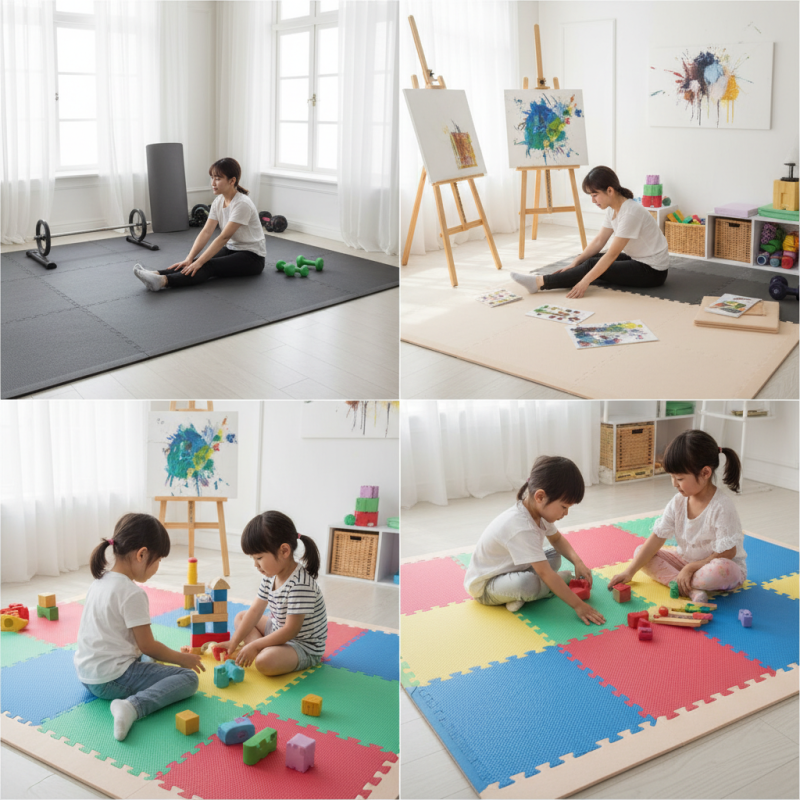
These tiles offer cushioning and sound absorption. They are widely used in gyms, playrooms, and even art studios. The ease of installation and variety in designs make foam tiles appealing to both consumers and businesses. As buyers increasingly prioritize safety and comfort, the demand for these products continues to rise.
However, there are challenges in the foam tile sector. Some consumers may overlook durability and maintenance. Choosing the wrong product can lead to issues down the line. It's essential to recognize that not all foam tiles are created equal. Careful selection is crucial for long-term satisfaction.
What Are Foam Tiles? An Overview of Materials and Types
Foam tiles are versatile materials commonly used in various settings. Made from EVA (ethylene-vinyl acetate) or PU (polyurethane), they offer durability and comfort. These tiles come in interlocking designs, making installation easy. Many users appreciate their lightweight nature, which simplifies transportation and setup. According to market research, the foam tile market is expected to reach $2 billion by 2026, driven by increased demand in fitness areas and playrooms.
Different types of foam tiles cater to diverse needs. For example, anti-fatigue foam is popular in commercial environments. It helps reduce fatigue for workers who stand for long periods. On the other hand, interlocking foam tiles are ideal for home gyms. They provide shock absorption and safety for physical activities. A report by IBISWorld shows that fitness flooring has seen a 6% growth annually. This points to the need for quality materials in active spaces.
Despite their advantages, foam tiles are not without issues. Some may wear down quickly under heavy use. Improper cleaning can lead to stains or odors. In busy environments, maintaining them may become challenging. Users must consider these factors when selecting foam tiles for their projects. They should seek options that balance durability with functionality.
Applications of Foam Tiles in Residential and Commercial Settings
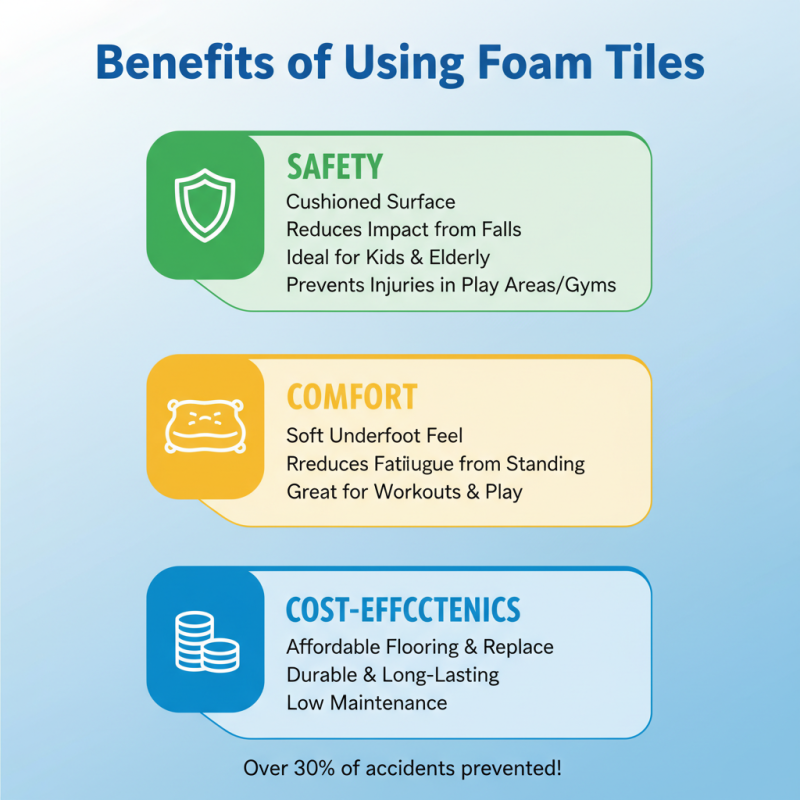
Foam tiles are versatile and practical for various environments. In homes, they serve as flooring options for playrooms, gyms, and basements. These tiles provide comfort and safety, especially for children. Their cushioning effect absorbs impacts, reducing injuries during play. In residential settings, foam tiles come in various colors and patterns, making it easy to customize a space.
In commercial spaces, foam tiles are popular in gyms and fitness studios. They offer shock absorption for high-impact workouts. Their easy installation and maintenance make them appealing for busy environments. Additionally, they can improve acoustics, reducing noise levels during group classes. Creative designs can enhance the ambience, attracting more clients.
**Tips:** Consider the tile thickness for different applications. Thicker tiles work well for areas with heavy foot traffic. Test different colors to see which creates the desired mood and energy. Always measure your space accurately before purchasing. This helps minimize waste and ensures a perfect fit.
Industry Standards and Certifications for Foam Tiles
Foam tiles are versatile materials used in various applications, from fitness to home flooring. However, not all foam tiles are created equal. Industry standards ensure that these products meet specific safety and durability thresholds. Certifications can indicate a tile's suitability for different environments, such as children's play areas or commercial settings.
For foam tiles, there are several standards worth noting. For example, the ASTM (American Society for Testing and Materials) provides guidelines for determining safety and performance measures. Certifications might include tests for slip resistance or flame retardancy. When choosing foam tiles, it is crucial to check these certifications. Even a small oversight can lead to safety issues, especially in high-traffic areas.
In the market, some products may lack transparency in their testing results. This can be problematic for consumers seeking safe options. Engaging with manufacturers about their certifications can clarify any uncertainties. Relying solely on price can be misleading. Sometimes, spending a bit more ensures you receive a higher quality product that meets necessary standards.
Maintenance and Installation Tips for Foam Tiles in Various Environments
Foam tiles are an excellent flooring choice for many spaces. Their lightweight nature makes them easy to install, even for beginners. However, attention to detail during installation is crucial. Make sure the surface is clean and dry. Misalignment can lead to tripping hazards or an uneven finish. Use a straight edge to cut tiles instead of guessing measurements.
Regular maintenance keeps foam tiles looking fresh. It's best to wipe spills immediately to prevent staining. Use a vacuum for dirt removal. A gentle soap solution can be used for deeper cleaning. Avoid harsh chemicals as they can damage the foam. The lifespan of foam tiles varies, and regular checks for wear and tear are vital.
In high-traffic areas, consider thicker tiles for better durability. For outdoor use, ensure the tiles are designed for exposure to moisture. Assess your environment; humidity affects foam differently. Adapt your care routine based on where the tiles are used. Each space has its own challenges, leading to reflections on what works best.
Usage of Foam Tiles in Different Environments
This chart represents the percentage usage of foam tiles across various environments, highlighting their versatility and popularity in different settings, such as residential, commercial, and sports facilities.